


Gourmand-ISM Herb Identifier
- keturahmannsecomo
- Jul 19, 2025
- 13 min read

Updated: Jul 24, 2025
Black Cardamom Pod

Floral • Smoky • Warm
The ingredient comes from the black cardamom plant, a pod-like, herbaceous perennial plant that belongs to the ginger family (Zingiberaceae). There are two species of black cardamom—Amomum subulatum and Amomum tsao-ko. Indian cuisine uses A. subulatum while Vietnamese and Chinese cuisines use A. tsao-ko.
Black cardamom is a spice with a strong aroma and a smoky, camphor flavor that pairs well with savory or sweet dishes.
When harvested, the black cardamom is dark pink in color. It then needs drying.

It is known to satiate your cravings for sweets without spiking sugar levels. Additionally, the potent antioxidant qualities of cardamom may protect pancreatic beta cells from damage caused by oxidative stress, thus preserving their function in producing insulin.

History
The ancient Arabs thought of black cardamom as an aphrodisiac and used it to flavour their coffee while the ancient Greeks and Romans processed the seeds to make perfumes.
Black cardamom is native to the cloudy, cool, and humid regions of the Sino-Vietnamese borderlands. For centuries, where agro-ecological conditions have permitted, this plant has been one of many forest products that ethnic minorities have collected across these uplands for household medicinal use.
Bay leaf (Laurus nobilis) is a perennial shrub belongs to the family laurel (Lauraceae).

Bay leaf is native to South Europe (Patrakar et al., 2012).

It is a multibranched, deciduous shrub having height up to 6–8 m and diameter up to 15–40 cm with smooth, thin, and brown bark containing a shady crown (Patrakar et al., 2012). Leaves are alternate, lanceolate, and bipinnate compounds with smooth or sharp margins 29–30 cm long containing 24 leaflets that are lanceolate, 4.8–4.9 cm long, and 1.7–1.8 cm wide with 0.5 cm long petiole
Flowers are ebracteate, four-lobed, white, scented, and small, having eight to 12 male stamens and two to four female staminoids,
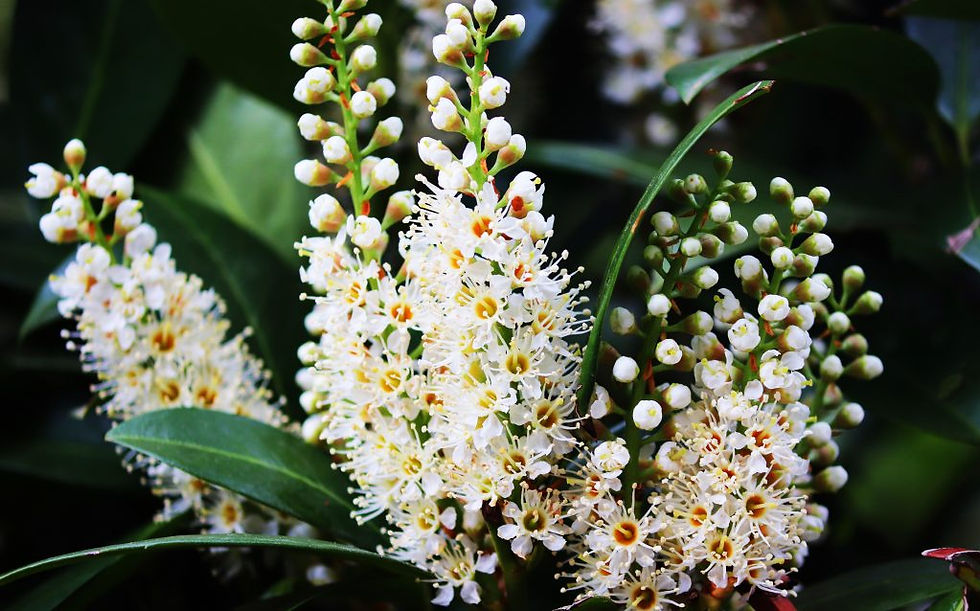
The fruit is 10–15 mm, in small clusters, ovoid, thin pericarp enclosing spinach-green seeds and black when ripe. Calyx is pubescent having five clefts and five petals along with glabrous glands, free and white.

Kiawe Tree. Neltuma pallida, formerly known as Prosopis pallida,
Otherwise known as Hawaii’s mesquite tree,
Kiawe (pronounced [Kee-ah-vey]) is a thorny, brushy tree similar to a Texas mesquite, native to South America and widely naturalized in Hawaii.
A cousin to mesquite but with a deeper more intense flavor
The salt is transformed into a very dark iridescent ebony color.


This dense wood gives the salt a bold and rich smoky flavor.
The salt is transformed into a very dark iridescent ebony color.
History
The Kiawe tree, which originates from the arid banks of Bolivia, Ecuador, Peru, and Chile, was first brought to the Hawaiian Islands in 1828. Then, Father Alexis Bachelot—a Roman Catholic priest from Paris whose most well-known legacy is that of the “Prefect Apostolic of the Sandwich Isles”—planted a Kiawe seed in the heart of what is now downtown Honolulu.
Taken from Ica, Peru—where kiawe trees cling to dunes and weather South America’s hot, dry winds—that seed’s progeny engendered some of the earliest shade trees to adorn the capitol of Hawaii.
It’s deemed one of the best woods in the islands for bbqs, used to steam everything from pork to breadfruit.
Called the algarrobo in Spanish, Kiawes can be made into jelly and tea, while its beans are pulverized to provide sustenance. It was also, at one time, given to children and nursing mothers to fortify their diets.
Here in Hawaii, the bees that are drawn to the pods produce a rare honey; in fact, following the introduction of honeybees to the islands in 1857, Hawaii exported more than 200 tons of kiawe honey per year.
Kiawe Honey

Known for its creamy color and distinctive flavor, this honey offers a smooth taste with subtle hints of caramel and a mild, earthy finish. It is highly sought after for its rare, limited availability and is often considered one of the finest honeys produced in the Hawaiian Islands
Sale di Cervia
The Salina di Cervia is in a natural park, at the southern door of the Po Delta Park, and has always been a natural reserve of population and nesting for many animal and vegetable species

The Champagne of salt (or rather, the fine Prosecco), Fiore di Cervia is much like a great Brittany fleur de sel, but warmer, less metallic, less briny
Its name comes from the Latin “acervus” meaning a mound of white salt, called white gold.
Sale di Cervia is entirely sea salt with 2-4% natural humidity
The salt workers closely monitor the entrance of concentrated salt water and as soon as sodium chloride has formed, run off the mother brine which contains the bitter chlorides. For this reason, it is referred to as sweet salt!
Cavadura is the collection of salt. The water of the sea enters in the canal, and travels through the the entire area of the Salina di Cervia. Passage by passage, the sea water flows, and, thanks to the action of the wind and the sun evaporates and concentrates to the point that the salt is formed.
The salt, when harvested, is wet and very heavy, its typical rose color, derives from the presence of an algae, the dunaliella. This algae is rich in lycopene and betacarotene.

Sweet salt of Cervia is in fact rich in trace elements present in the mother water (and used in the wellness line) such as iodine, zinc, copper, magnesium, iron, calcium, magnesium and potassium.
This exceptional salt is the one used in the salting of two famous products of Emilia Romagna: Parmigiano Reggiano and Prosciutto di Parma

An extremely limited quantity of the superior Salfiore di Cervia, collected on the surface of the water in the salt pans is produced.
Sale di Cervia and Salfiore di Cervia are highly appreciated by gourmets…
Kencur. Kaempferia galanga

K. galanga is an aromatic medicinal herb. It is locally to India and distributed in China, Myanmar, Indonesia, Malaysia, and Thailand.
Kaempferia galanga L. is a stemless, rhizomatous, aromatic, perennial and indigenous herb.


Kaempferia galanga is a small, stemless perennial herb growing up to 45cm tall from a rhizomatous rootstock that includes little, ovate tubers. The thick, rounded leaves usually lay flat in a rosette on the ground
It is a perennial or rhizomatous geophyte and grows primarily in the wet tropical biome.
K. galanga is a Traditional Chinese Herb Medicine (TCHM), which has been applied to treat cold, dry cough, toothaches, rheumatism, hypertension and so on
Modern pharmacology studies revealed that extracts or secondary metabolites of the herb possessed anti-inflammatory, anti-oxidant, anti-tumorous, anti-bacterial, and anti-angiogenesis effects, which were closely related to its abundant ethnomedicinal uses
Allspice

Allspice is the dried, unripe fruit of Pimenta dioica, a tropical evergreen native to Jamaica, Cuba, Guatemala, Honduras, and Southern Mexico.
It is part of the Myrtle family. Clove, guava, and eucalyptus are other notable members of this plant family.
Tastes like the combination of black pepper, cinnamon, cloves and nutmeg all wrapped into one
Pimenta Dioica Tree

Allspice trees are dioecious, meaning the male and female reproductive organs are on separate trees. The female flowers provide the fruit. When allspice trees bloom with their clusters of tiny white flowers, the warm, clove-like perfume in the air is one of the most beautiful aromas imaginable. The first harvest begins when the female tree reaches eight years old and can continue bearing fruit for about 100 years.
The fruit is picked before ripening, when the berries have their full aroma due to the volatile oil's eugenol, methyl eugenol, and beta-caryophyllene. The berries are then sun-dried or machine dried.

History
first written record of allspice occurred in Columbus's journal from his voyage to the Americas in 1492. He was on a mission to find the illustrious peppercorn vine, Piper nigrum, a rare and expensive commodity back in the day. Thinking he had struck gold, Columbus was greatly disappointed when he returned to Spain with the far less valuable allspice. The Spanish gave these pepper-like berries the botanical name Pimenta, the Spanish word for "pepper
unlike the plant that Jamaican allspice (Pimenta dioica) comes from, Carolina allspice (Calycanthus floridus) is a deciduous shrub, and the berries are poisonous when eaten.
Reduces Your Appetite
The University of Vienna examined a receptor in the intestines that promotes the release of peptides that promote satiety and reduce appetite . The active ingredients found in allspice activate the receptor to possibly help you feel satisfied sooner, allowing you to eat less. It’s also an excellent weight loss tool to add flavor to the food.
Improves Digestion
The University of Miami found that eugenol in allspice aids in digestion Eugenol is a crucial ingredient with many benefits, as it can stimulate the release of digestive enzymes. This helps you break down the nutrients in the food that you eat, which provides energy and supports many bodily functions.
Increases Energy to Exercise
Exercise routines are an essential part of weight loss, and iron found in allspice can aid your workout routine to lose weight by providing more oxygen to your brain and body.
Supports Good Dental Health
The essential oil’s antimicrobial effects might benefit gum and dental health by protecting the mouth from harmful bacteria. However, dilute it with another carrier oil before rinsing your mouth.
Reduces Headaches And Fatigue
The University of Miami investigated the medicinal benefits of allspice and its ingredient Allspice extract and essential oils have long been used in traditional medicine to treat headaches and fatigue. Massaging the oils into your temples might help you ease your mild headaches.
Improves Circulation
The University of Miami described that allspice essential oil massaged into the skin is believed to improve blood circulation The warming effect stimulates circulation through your skin, which can help relieve pain from muscle cramps and strains. You can also add allspice essential oil to bath water for the same effect.
Reduces Pain And Inflammation
Allspice may reduce pain and swelling associated with arthritis, gout, and sprains by reducing inflammation. Some of the compounds in allspice have anti-inflammatory properties.
Eugenol
colorless aromatic liquid phenol C10H12O2 found especially in clove oil
1,8-cineol is a colorless liquid with a camphor-like odor. Spicy cooling taste.
Caryophyllene terpene is a natural compound found in many herbs and spices, like basil, oregano, black pepper, and cannabis, among others. It delivers a sharp, spicy aroma, offering a hint of earthy flavor.
Caryophyllene is unique among terpenes because it can bind to cannabinoid receptors in the body.
Celery Seed

Celery seed, with its botanical name Apium graveolens, originated from the marshy soils of the Mediterranean basin and parts of Europe. This spice has been cultivated since antiquity.
The tiny seed like fruits, known as celery seed, resemble the plant itself in taste and aroma and are used as a seasoning, particularly in soups and pickles. a more concentrated and slightly bitter version of fresh celery, with earthy and herbal notes. It's often described as having a savory quality and can even carry a subtle licorice-like hint
Celery typically grows up to 60–120 cm (2–4 feet) tall, with green pinnately compound leaves and thick stalks (petioles) that are the edible part. Small white umbels—flower clusters with stalks from a single point—appear in the second year followed by schizocarps, dry fruits that split into mericarps, each containing a seed.

Celery seed comes from the original species known as smallage or wild celery. The rest of the plant is bitter and not edible. • Cultivated varieties of celery are:
Apium graveolens var. dulce is the familiar plant with the long stems (petioles) that are commonly eaten raw or are cooked in soups and stews.
Apium graveolens var. rapaceum is also known as celeriac or root celery. This plant has an enlarged root tissue which is cooked in soups and stews or grated raw on salads.
Apium graveolens var. secalinum, is called smallage, cutting or leaf celery. It has slender stems (petioles) which are often hollow. The leaves are primarily used for a garnish or medicinal purposes.

Celery Root
MUSTARD SEEDS

White mustard seeds (Sinapis alba) are in fact yellow in colour, have a smooth surface and are hot and spicy, similar to radishes. White mustard seeds taste spicy and sweet.
White mustard seeds are spherical, about 2 mm in diameter, minutely pitted, and mucilaginous
Black mustard seeds B. alba Boiss are a brown-black colour, have a rough surface and have a strong, pungent and slightly bitter flavour.
Black mustard seeds are globular, 1–1.6 mm in diameter, dark brown to nearly black, minutely reticulate, and mucilaginous. The kernel is greenish yellow and oily
Indian Mustard Brassica juncea is a natural hybrid of black mustard (Brassica nigra L. Koch) and turnip mustard (Brassica rapa L.), and has the whole genome of both parents.
Mustard is a cool season crop, seed maturity is attained in 80–90 days; shorter for the white or yellow mustard and longer for the oriental and black mustard


History
The history of mustard seeds goes back to 3000 BC. It is considered to have originated in Ancient Egypt. Mustard seeds were used by the Greeks both medicinally and used as a spice to enhance the flavor. Mustard seeds were brought to Northern France by the Romans where it was later harvested by monks. The word mustard is derived from the word “mosto” or grape must, which in ancient times was a condiment consisting of ground mustard seeds and freshly crushed wine grapes.
NUTMEG

Nutmeg, (Myristica fragrans), tropical evergreen tree (family Myristicaceae) and the spice made of its seed. The tree is native to the Moluccas, or Spice Islands, of Indonesia and is principally cultivated there and in the West Indies.
The spice nutmeg has a distinctive pungent fragrance and a warm, slightly sweet taste;
Historically, grated nutmeg was used as a sachet.
History
The Romans used it as incense. About 1600 it became important as an expensive commercial spice in the Western world and was the subject of Dutch plots to keep prices high and of English and French counterplots to obtain fertile seeds for transplantation. The nutmegs sold whole were dipped in lime to prevent their sprouting.
Mace

Even though mace and nutmeg are related, they are different. Nutmeg is the seed found inside the fruit of the evergreen tree and Mace is the lacy, waxy webbing that surrounds it. Their flavour is similar, but mace is spicier, more aromatic and resembles black pepper.

Myristicin, the main aromatic compound in nutmeg, can induce hallucinogenic effects after nutmeg consumption owing to its structural similarity with 3-methoxy-4,5-methylendioxyamphetamine (MMDA) . High doses of nutmeg can be abused as a psychoactive drug, which can cause symptoms such as hallucinations, tachycardia, and anticholinergic effects
Ginger

This bulbous branched root is where the plant stores nutrients and energy – and also where it concentrates its characteristic flavor.
Dominated by a sharply sweet and mildly fruity warmth, ginger delivers an aromatic depth that is both fresh and zesty.
Ginger root belongs to a family of roots that includes turmeric and cardamom. More than 1300 distinct species of ginger root plants exist.
The strong aroma and flavor are derived from ketones known as gingerols, a primary root compond. Gingerols, shogaols, and paradols are the 3 major active components derived from terpenes found in ginger. A primary metabolite
gingerol is (S)-[6]-gingerol-4’-0-β-glucuronide
History
Ginger eventually became a popular spice in Rome, however, its use declined as the Roman Empire fell. It was forgotten in Europe for centuries until it was rediscovered when Marco Polo brought it back from his travels to the East. The Crusades also played a large part in the spice becoming more widely used in Europe, as the Crusaders ventured to far off lands, only to return home with exotic spices from the foreign trade centers. Ginger became known as the “grains of Paradise” and the Atare pepper; with its spicy flavor, it was often used as a substitute for the more expensive black pepper.

The ginger plant has a thick, branched rhizome (underground stem) with a brown outer layer and yellow centre that has a spicy, citrusy aroma. Every year, it grows pseudostems (false stems made of tightly wrapped leaf bases) from the rhizome which bear narrow leaves. The flowers grow on separate, shorter stems in a cone-shaped spike and are pale yellow in colour with purplish edges.
The native range of this species is India to S. Central China. It is a perennial or rhizomatous geophyte and grows primarily in the seasonally dry tropical biome.
Curry leaves

Curry leaves are aromatic in nature having characteristic aroma, leaves of curry leaves are shiny and smooth with paler undersides. Leaves are pinnate, exstipulate, having reticulate venation and having ovate lanceolate with an oblique base,

History
The species name commemorates the botanist Johann König. The genus Murray commemorates Swedish physician and botanist Johann Andreas Murray who died in 1791. Hence the botanical name of the curry leaves is Murraya koenigii
The history of curry leaves are seen in early 1st to 4th century AD. In Tamil and Kannada literature it was updated as word ‘kari’ with its uses. The word now popularly used for the Murraya koenigii is curry leaf which is originated from Tamil word Kari which means as ‘spiced sauce. In the early literatures of Tamil and Kannada the use of Murraya koenigii is described as the flavouring agent for the vegetables.
Out of the 14 global species that belong to the genus Murraya, only two are known to be found in India, which is Murraya koenigii (Spreng) and Murraya paniculata (Jack).
Curry Leaf Trees have compound leaves (several leaflets attached)
Curry leaves from the curry tree/plant Bergera koenigii
Taste
A combination of citrusy, grassy, and burnt sulfur-like aromas. The aromas intensify during frying.
Synonym in Indian Language
Curry Leaf (English), Karepaku (Andhra Pradesh), Narasingha (Assam); Barsanga, Kartaphulli (Bengal); Gorenimb (Gujrat); Mitha Neem (Himachal Pradesh); Kathnim, Mitha Neem, Kurry Patta (Hindi); Karibeva (Karnataka); Kariveppilei (Kerala); Gandhela, Gandla, Gani (Kumaon); Bhursanga (Orissa); Mahanimb (Sanskrit); Karivempu (Tamilnadu).
Synonym in other language
Burmese: Pindosine; Danish: Karrry bald; Dutch: Kerriebladeren; English: Curry leaves; French: Feuilles de cury; German: Curryblatter; Indonesian: Daun kari; Italian: Fogli de Cari; Spanish: Hoja.
Flower
The plant produces small white flowers which can self-pollinate.
The flowers of curry leaves is small, white fragrant and funnel- shaped, regular, pentamerous, stalked, complete, ebracteate, hypogynous, persistent, inferior, green, corolla, polypetalous, androecium, polyandrous, lanceolate, stigma, bright, sticky, style, short, ovary, inflorescence, a terminal cyme, the diameter of a flower is 1.12cm in the fully opened form, each cluster bear approximately 60 to 90 flowers at a time after flowering at once, 5-lobed calyx, with petals in having length 5 mm and the petals are 5 in number, with stamen in number 10 and in small in size approximate number 4 mm, dorsifixed, arranged into circles, with long superior gynoecium with size 5 to 6mm.20
Curry tree flowers have a sweet fragrance, bisexual with self-pollinated for produce black berries in small size with shiny appearance containing a large visible seed

Fruits
The fruits are in the ovoid or subglobose and small in size in the spinach green colour seed in one or two number which are enclosing each other in thin pericarp.The fruits are 1 to 1.2cm in the diameter with length 1.4 to 1.6cm, purple black after ripening and they are edible and yields 0.76% of a yellow volatile oil.
The seeds of the Murraya koenigii are poisonous in nature and should not be consumed for any purpose.


Comments